
Disaster Relief

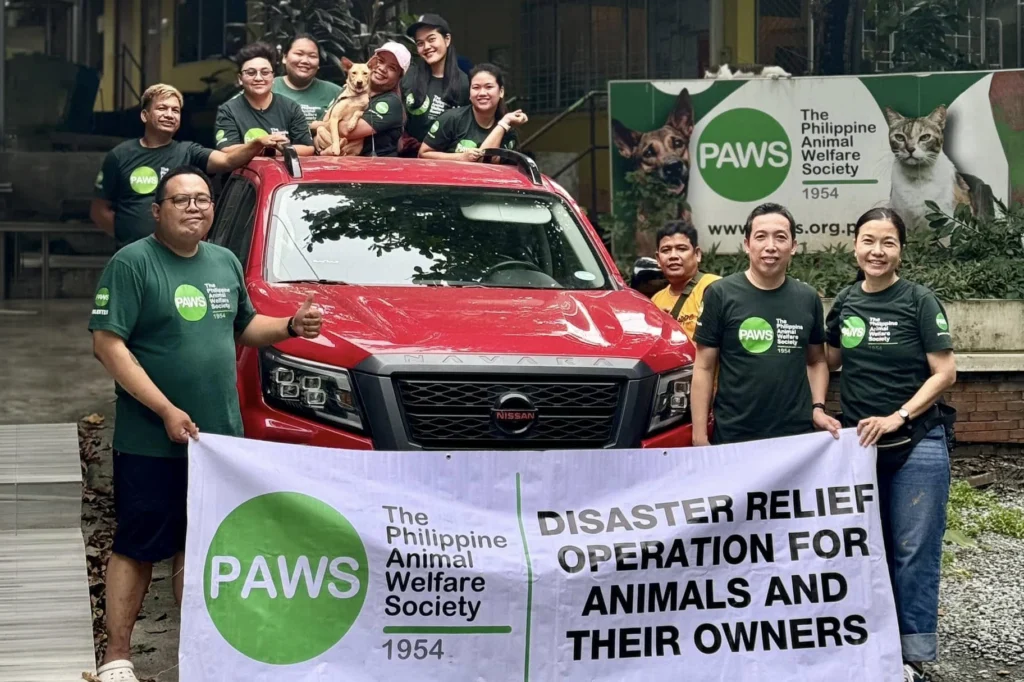
PAWS has been recognized for their efforts in rescuing animals and helping local communities affected by natural disasters such as floods and earthquakes. If you know of any locality that needs disaster relief, let us know.

Volunteers and groups interested in joining future disaster relief efforts may also contact us.
Disaster Preparedness

PAWS trains volunteers and animal activists in “echo sessions” where they teach rescue lines, raft handling and water rescue. We also educate pet owners on disaster preparedness.

1

Plan for your pets

We must include our pets in any evacuation plan. Prepare an emergency go-bag for them as well. Decide how you will transport them, and find pet-friendly evacuation places before a storm arrives. 

2

Release or unchain them

Do not to leave pets and livestock tied up or caged during a disaster. Animals that are loose have a better chance to flee to safety, so unchain them and open their cages as you leave if you can’t take them along.

3

Coordinate with your LGU

Ask your barangay now where pets are allowed, and list pet-friendly evacuation places in your disaster plan. The government must also consider them in their disaster response efforts.

Through PAWS’s continued lobbying efforts, animals are slowly finding their way into the government’s disaster-relief and evacuation programs, and PAWS will keep pushing until they are fully included in every plan.

FAQ

Have your pets’ food, water, first-aid supplies and medical records in an emergency kit. Add proper identification and keep everything in a go-bag you can grab quickly. Other useful items include a sturdy leash, bags for waste and your veterinarian’s contact details.
Use what you have. Everyday items like laundry baskets or basins can serve as emergency carriers during floods. Practice with your pet beforehand so they stay calm inside, and secure the cover so they can’t jump out while you move.
It depends on your LGU. Some have opened pet evacuation centers. Ask your barangay now where pets are allowed, and list pet-friendly evacuation places in your disaster plan. PAWS lobbies for animals to be included in disaster programs.
A good first step is to become a PAWS volunteer by attending an orientation and submitting the volunteer application. PAWS doesn’t publish a training schedule or entry requirements, so message PAWS to ask about upcoming echo sessions. Groups can also ask whether PAWS can run a session for their members.
You can donate to the PAWS disaster relief program, or give stray animals shelter, food and water during a storm. You can also ask your barangay officials to include animals in evacuation procedures and disaster drills. Keep your own pets’ kit stocked and ready, so you can help others once your household is safe.
PAWS conducts animal needs assessment and delivers humanitarian and animal relief packets. This is made possible by donations made to our disaster relief program.

Add Your Heading Text Here